Select a procedure below or request a consultation to discuss your options.
Your care plan is built around your schedule, not the other way around.
A dedicated coordinator guides you from consultation to recovery.
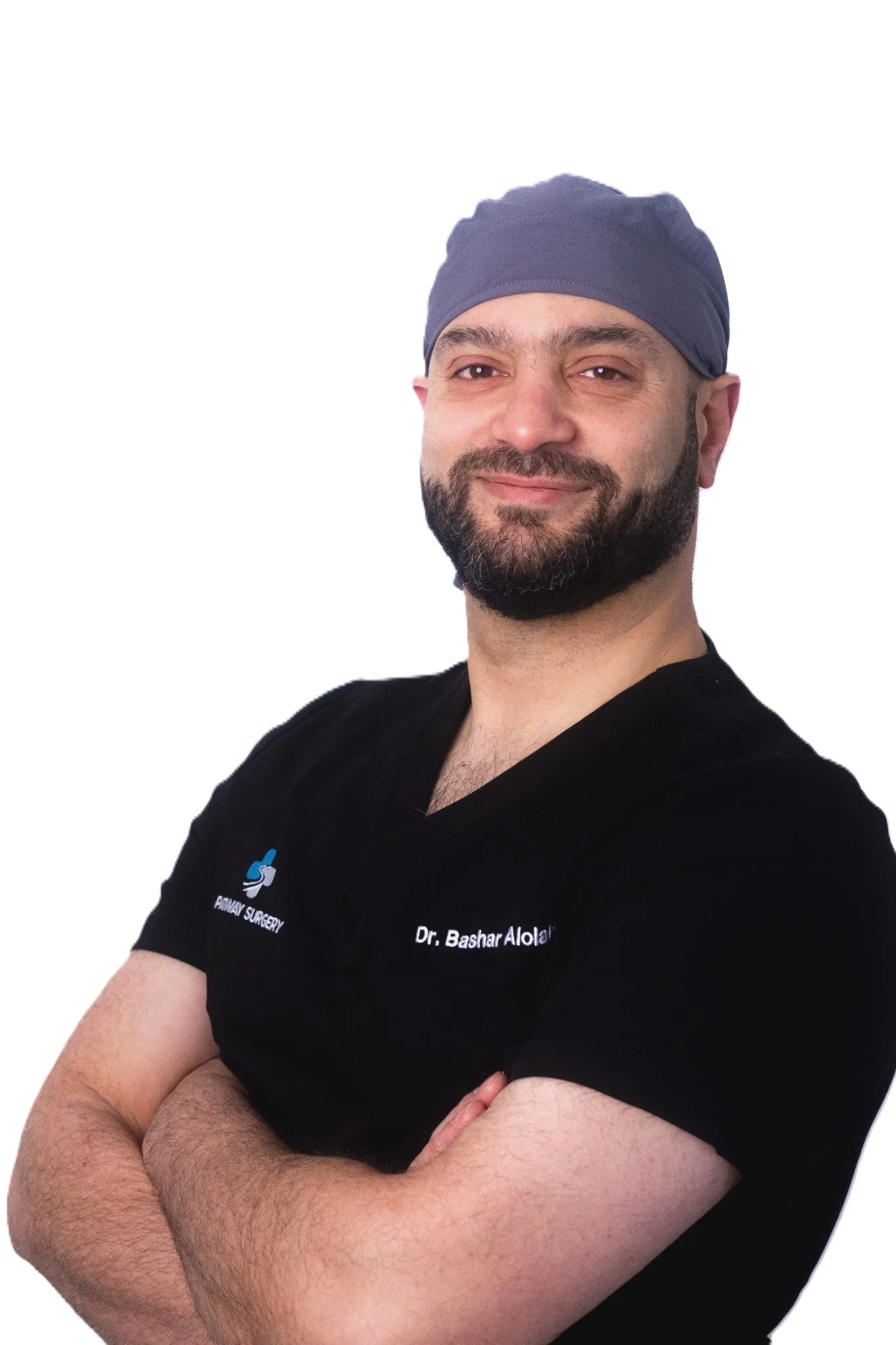
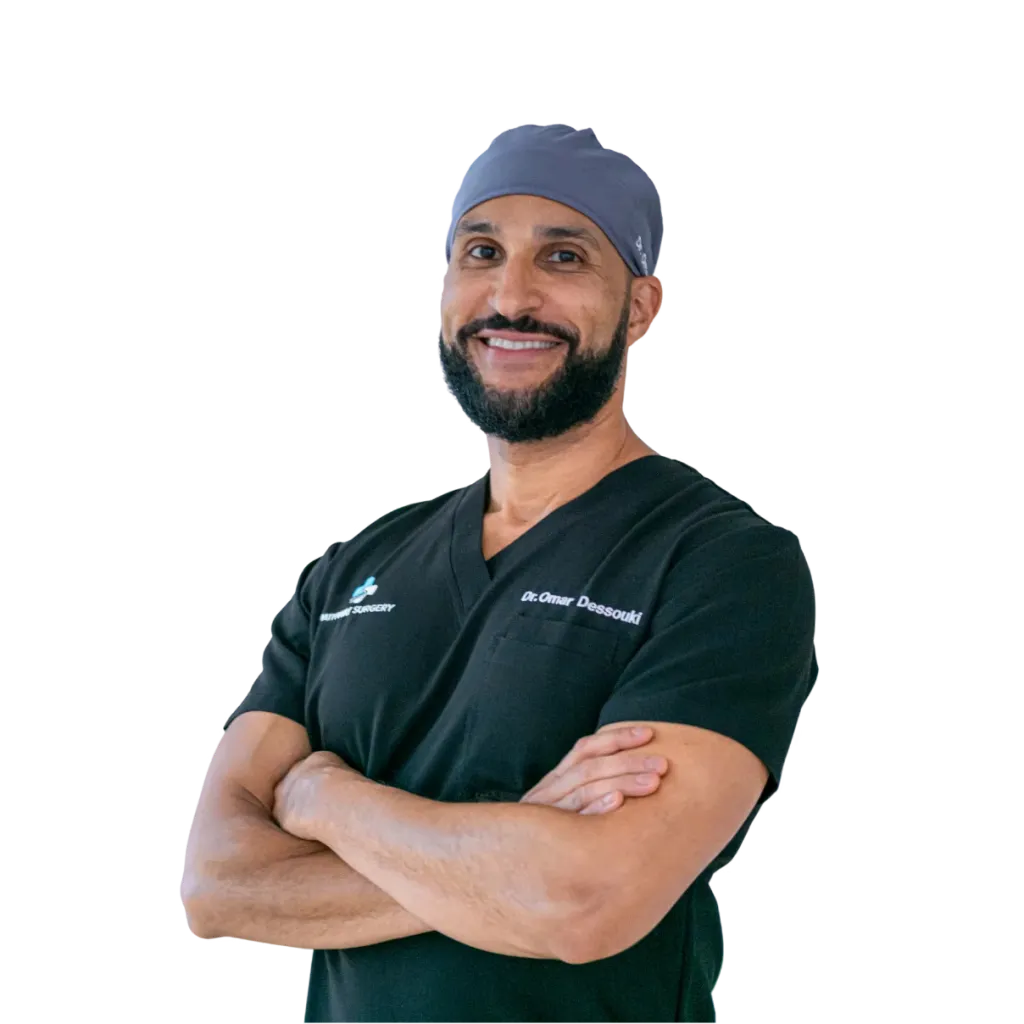
Fellowship-trained surgeons with expertise in complex shoulder and elbow care.
You'll wear a sling for 4-6 weeks while the repair heals. Physical therapy begins early but is initially passive (the therapist moves your arm). Full recovery typically takes 4-6 months, though you'll notice improvements throughout. Following your surgeon's protocol is key to a successful outcome.
Total shoulder replacement is used when the rotator cuff is intactâ—it mimics normal shoulder anatomy. Reverse shoulder replacement "reverses" the ball and socket, allowing the deltoid muscle to power arm movement when the rotator cuff is severely torn or non-functional. Your surgeon will recommend the best option based on your anatomy and cuff condition.
Small or partial tears may improve with physical therapy, anti-inflammatory medications, and cortisone injections. However, complete tears generally don't heal on their own and may worsen over time. A surgical consultation can help you understand your specific tear and the best treatment approach.
Cubital tunnel syndrome occurs when the ulnar nerve (the "funny bone" nerve) becomes compressed at the elbow, causing numbness/tingling in the ring and small fingers, and sometimes weakness in the hand. Ulnar nerve decompression or transposition surgery can relieve pressure on the nerve when conservative treatments fail.
Book a consultation to discuss your options with our fellowship-trained specialists.
Book Your Consultation