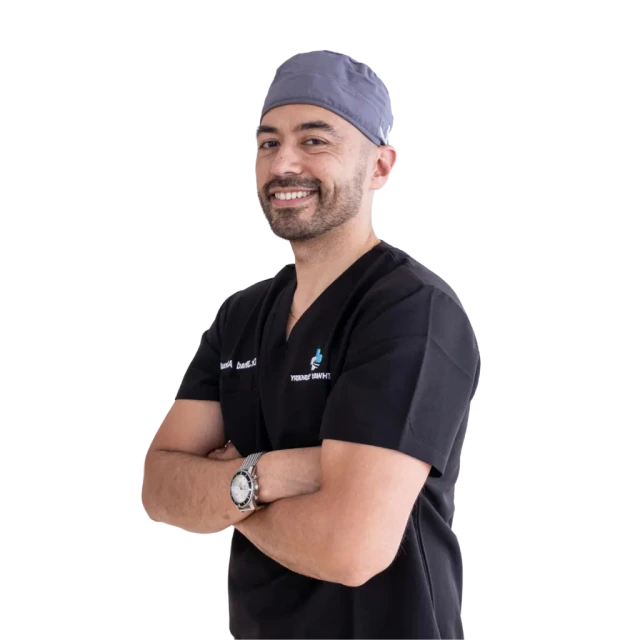
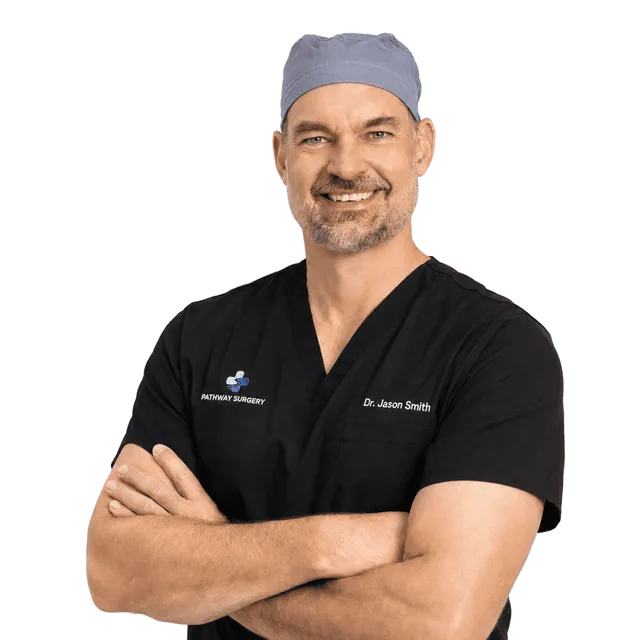
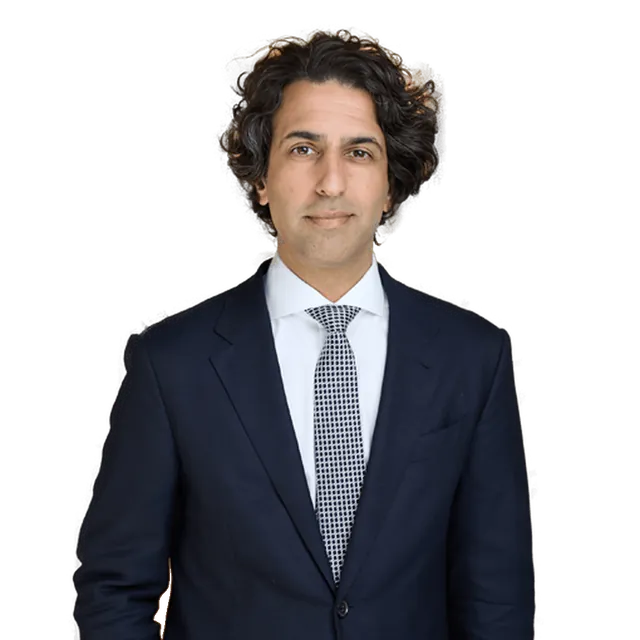
Arthroscopic repair of a torn rotator cuff, with a recovery plan tailored to your shoulder. Meet your specialists and understand what to expect before booking.
No referral requiredContact our team to get started
Patient stories
Recovery, in their words.
★★★★★
5.0 from 250+ patient reviews
“
I had rotator cuff surgery by Dr Abouali and his team on Oct 24. Since the surgery I’ve had very little pain and started physio a week ago. My physiotherapist is very impressed in how well I’m progressing and my range of motion.
★★★★★
Sandy Doucette
Rotator cuff repair
“
I would like to thank everyone at the Pathway Surgery for the amazing care that was extend to my during my Rotator Cuff Repair. Dr. Abouali, my nurse, and the entire team were all great. I could not have asked for better care.
★★★★★
Henry Abrams
Rotator cuff repair
“
I turned to Pathway as I was a very complex shoulder case. Dr. Alolabi took my shoulder on with no hesitation, explaining the surgery and risks well. Three days post-op I feel better than I did before surgery. I highly recommend Pathway’s team.
The rotator cuff is a group of four tendons that surround the shoulder joint, providing stability and enabling arm movement. These tendons can tear from injury, repetitive overhead motions, or gradual wear over time — causing pain, weakness, and difficulty with everyday activities.
Rotator cuff repair is an arthroscopic procedure that reattaches the torn tendon to the bone using suture anchors. The surgery is performed through small incisions using a camera and specialized instruments, allowing your surgeon to repair the tear with precision.
Key benefits of arthroscopic repair
Small incisions, less scarring
Reduced post-operative pain
Better visualization for the surgeon
Outpatient procedure
The goal of surgery is to restore the tendon’s attachment to bone, relieve pain, and return strength to the shoulder. Success depends on tear size, tissue quality, and commitment to post-operative rehabilitation.
Advanced healing technology
Heal stronger with REGENETEN.
A biologic implant designed to support tendon healing and reduce re-tear rates.
The REGENETEN implant works with your body’s natural healing process. Made from purified collagen, it acts as a scaffold that signals your body to grow new, healthy tendon tissue — not just scar tissue.
Lower risk of re-tearing — studies show repairs with REGENETEN are less likely to fail
Regenerates tendon tissue — the body replaces the implant with healthy tissue within 6 months
Thicker, stronger repair — the new tissue adds reinforcement to your rotator cuff
10+ years of clinical use
Smaller tears
Can be used alone to accelerate healing without traditional stitches
Larger repairs
Added on top of the repair to reinforce and protect the healing tendon
REGENETEN™ Bioinductive Implant
The implant is placed over the repair and gradually absorbed by your body. In its place, new tendon tissue grows, adding reinforcement to the healing rotator cuff. Your surgeon will discuss whether REGENETEN is right for your specific tear.
The repaired tendon needs time to heal and integrate with bone. Following your surgeon’s protocol carefully is essential for the best long-term outcome.
Massive or irreparable tears?
For large, chronic tears where the tendon cannot be repaired, reverse shoulder replacement may restore function by allowing the deltoid muscle to power arm movement. Your surgeon will discuss all options based on your specific situation.
Individualized written quote after specialist review
What shapes a private rotator cuff repair plan and quote?
Your surgeon first confirms the tear pattern, repair plan, and whether associated procedures fit your case. Tear size, repair complexity, implants, and facility then shape the written quote. For broad Canadian budgeting context, review Pathway's planning ranges and methodology.
Surgery may be recommended if you have a complete tear, if symptoms haven't improved with conservative treatment (physical therapy, injections), or if you need full shoulder function for work or sports. Your surgeon will review your MRI and discuss whether surgery is likely to help.
You'll wear a sling for 4-6 weeks. Physical therapy starts early with passive motion (the therapist moves your arm). Most patients see significant improvement by 3-4 months and return to full activities at 4-6 months, though large tears may take longer to fully heal.
The first few days after surgery can be uncomfortable, but pain is well-managed with medications. Many patients receive a nerve block that provides relief for the first 12-24 hours. Arthroscopic surgery is generally less painful than open surgery.
Re-tear is possible, especially with large tears or poor tissue quality. Following your surgeon's rehabilitation protocol, avoiding heavy lifting during healing, and addressing risk factors (smoking, diabetes) can help optimize healing success.
No referral is required. You can book a consultation directly. Having a recent MRI is helpful but not mandatory—we can arrange imaging if needed.
Next step
Start your care journey.
Schedule a consultation to discuss your rotator cuff tear and treatment options with our specialists. No referral required.