Shoulder & elbow · Instability surgery
Bankart labral repair
Arthroscopic labral repair for shoulder instability after dislocation. Meet your specialists and understand what to expect before booking.
5.0 from 250+ Pathway patient reviewsShoulder & elbow · Instability surgery
Arthroscopic labral repair for shoulder instability after dislocation. Meet your specialists and understand what to expect before booking.
5.0 from 250+ Pathway patient reviews5.0 from 250+ patient reviews
I saw Dr. Pauyo for shoulder surgery and am almost 4 weeks post-op. He was very thorough with a physical exam, requesting extra imaging and pre-surgery physiotherapy. My recovery so far has been very smooth. Pathway handled my payments and scheduling, and they were very responsive, detail oriented, and friendly!
Sin Yee
Shoulder labral repair
The labrum is a ring of cartilage that surrounds the shoulder socket (glenoid), deepening it and providing stability. When the labrum tears — often from a shoulder dislocation or repetitive overhead motion — it can cause instability, pain, and a feeling that the shoulder might “slip out.”
A Bankart repair is an arthroscopic procedure that reattaches the torn labrum to the socket using small anchors with sutures. This restores the normal anatomy and helps prevent further dislocations.
Advanced all-suture anchor for secure, low-profile labral fixation.
Our surgeons use the Q-FIX™ knotless anchor system, an advanced all-suture anchor for secure, low-profile labral fixation.

An all-suture anchor placed along the socket rim. Sutures secure the torn labrum back to bone in its normal position while it heals.
Bankart repair is performed arthroscopically in four main steps.
Arthroscopic access
Small incisions allow camera and instrument access to the joint
Surface preparation
The torn labrum and socket edge are cleaned to promote healing
Anchor placement
Q-FIX anchors with sutures are placed along the socket rim
Labrum reattachment
Sutures secure the labrum back to bone in its normal position
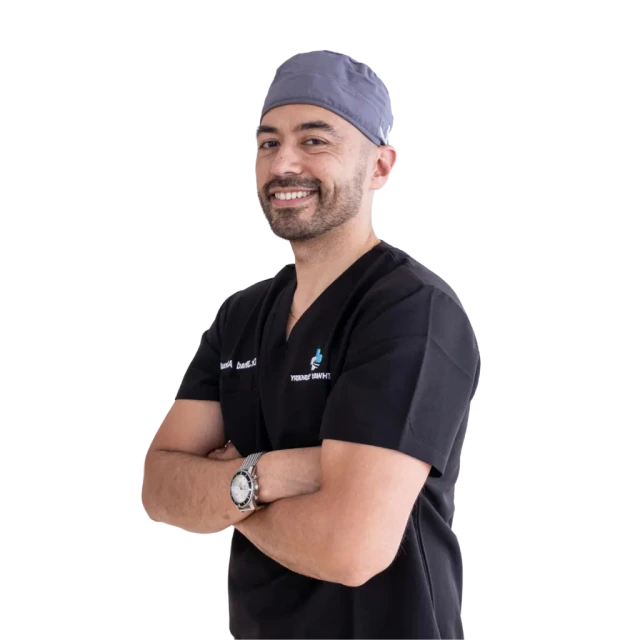
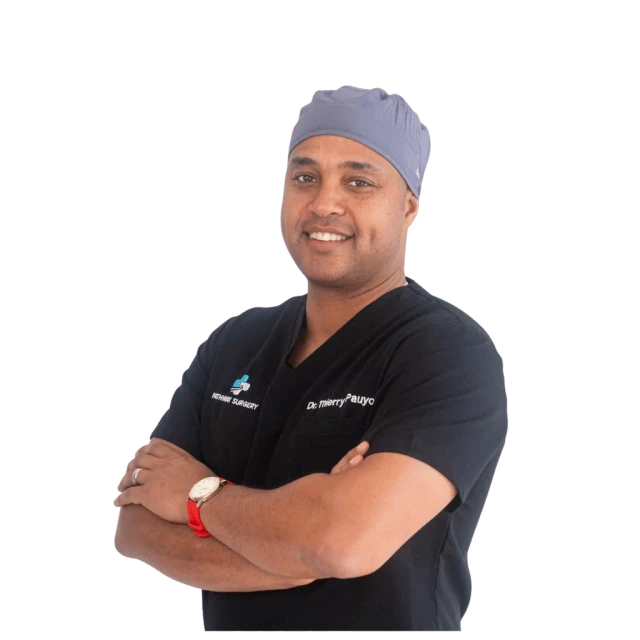
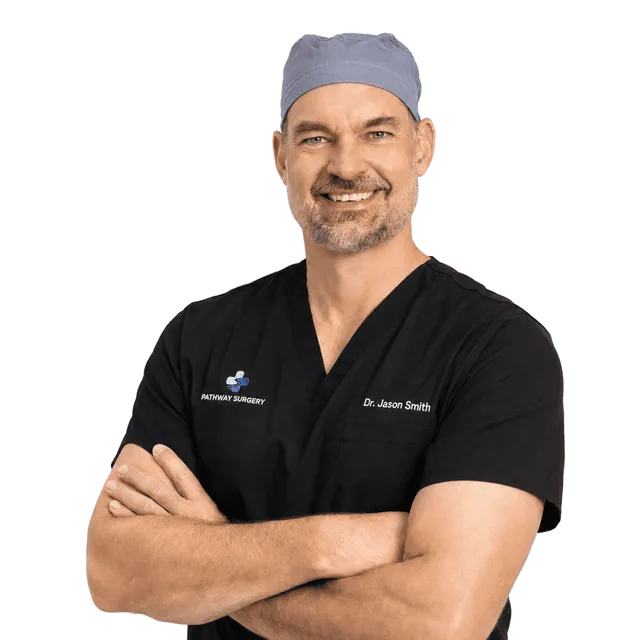
Fellowship-trained shoulder & upper-extremity surgeons.

Shoulder & upper extremity

Shoulder sports medicine

Hip, knee & shoulder sports medicine

Shoulder, elbow & knee sports medicine
Official Orthopaedic Surgeon to the Toronto Blue Jays. Shoulder stabilization for contact & throwing athletes.
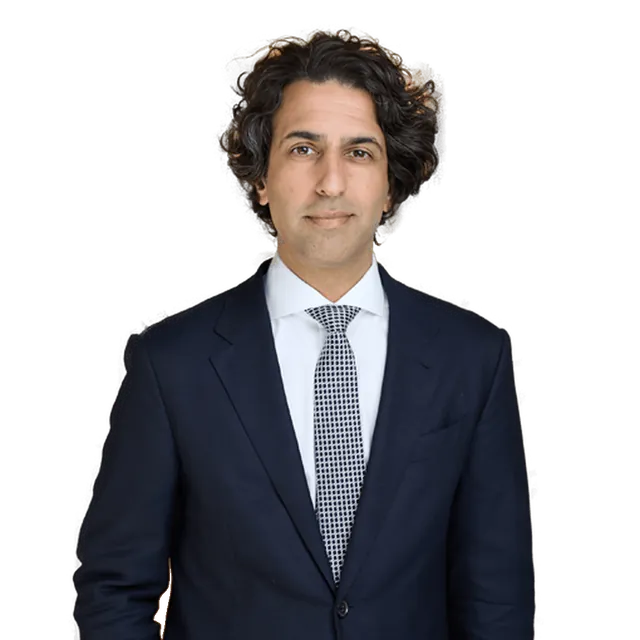
Knee, shoulder & hip sports medicine
4–6 weeks
14–6 weeks
Protect the repair
6–12 weeks
26–12 weeks
Restore range of motion
3–4 months
33–4 months
Rebuild shoulder stability
4–6 months
44–6 months
With surgeon clearance
4–6 weeks
Sling
Protect the repair
3–4 months
Strengthening
Rebuild shoulder stability
4–6 months
Return to sport
With surgeon clearance
A Bankart repair is an arthroscopic procedure that reattaches the torn labrum to the shoulder socket using small anchors with sutures. This restores the normal anatomy and helps prevent further dislocations.
Common indications include shoulder dislocation or subluxation, recurrent shoulder instability, SLAP tears of the superior labrum, and pain with overhead activities. Your surgeon will review your imaging to confirm the diagnosis.
Sling immobilization is typically 4-6 weeks, with range of motion restored over 6-12 weeks and progressive strengthening through 3-4 months. Return to contact sport is typically at 4-6 months, with surgeon clearance.
No referral is required. You can book a consultation with our surgeons directly.
Schedule a consultation to discuss your shoulder instability and treatment options with one of our specialists. No referral required.