Shoulder & elbow · Minimally invasive

Elbow arthroscopy

Elbow arthroscopy is a minimally invasive procedure for loose bodies, early arthritis, posterior impingement, and stiffness, performed through small incisions with a camera and specialized instruments. Consultations with our fellowship-trained sports medicine surgeons in 1–3 days, with surgery typically 2–4 weeks later. Most patients are discharged the same day; return to desk work is typically 1–2 weeks and return to sport 4–6 weeks, depending on the underlying pathology.

  • Most patients home the same day
  • Minimally invasive — small incisions
  • Surgery in 2–4 weeks
  • No referral required
Physiotherapist guiding a patient through a lunge exercise
5.0 from 250+ reviews
Minimally invasive approach
1–3 days
to first consultation
2–4 weeks
from consult to surgery
Same day
most patients discharged
1–2 weeks
typical return to desk work
The procedure

What is elbow arthroscopy?

Elbow arthroscopy is a minimally invasive surgical technique that uses a small camera (arthroscope) and specialized instruments inserted through tiny incisions around the elbow. This allows the surgeon to visualize and treat problems inside the joint without making large incisions.

Compared to open surgery, arthroscopy typically results in less pain, faster healing, and smaller scars. Many patients go home the same day and begin rehabilitation within days.

Conditions treated with elbow arthroscopy

Elbow arthroscopy is particularly valuable for diagnosis when imaging studies are inconclusive. The camera provides a direct view inside the joint to identify the source of pain or dysfunction.

Surgical technique

The arthroscopic approach.

Minimally invasive surgery through small portals.

  1. 1

    Small incisions (portals)

    Several 5mm incisions are made around the elbow to allow camera and instrument access

  2. 2

    Camera visualization

    A high-definition camera displays the inside of the joint on a monitor in real time

  3. 3

    Treatment

    Specialized instruments remove loose bodies, smooth damaged cartilage, or release tight structures

  4. 4

    Closure

    Small incisions are closed with sutures or steri-strips, leaving minimal scarring

Benefits of arthroscopy

  • Smaller incisions — less tissue damage means faster healing and less post-operative pain
  • Same-day surgery — most patients go home the same day as their procedure
  • Better visualization — magnified camera view allows precise treatment of even small lesions
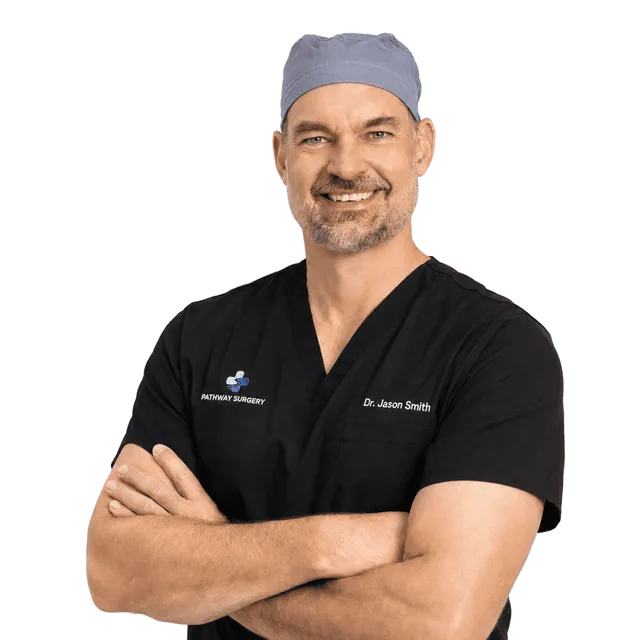
Your surgeon

Our elbow arthroscopy specialist.

Fellowship-trained in shoulder & upper-extremity surgery.

Your recovery

Recovery after elbow arthroscopy.

  1. 1

    1–2 days

    Rest & ice

    Keep the elbow elevated and apply ice to reduce swelling

  2. 2

    1–2 weeks

    Early motion

    Begin gentle range-of-motion exercises as directed

  3. 3

    4–6 weeks

    Strengthening

    Progressive exercises to restore strength

  4. 4

    2–3 months

    Full activities

    Return to sports and demanding activities

1–2 weeks

Desk work

Many patients return within 1–2 weeks

4–6 weeks

Strengthening

Progressive exercises to restore strength

2–3 months

Full activities

Return to sports and demanding activities

Because arthroscopy uses smaller incisions, most patients experience less pain and can begin moving the elbow sooner than with traditional open procedures.

FAQ

Frequently asked questions.

The procedure is performed under anesthesia, so you won't feel pain during surgery. After surgery, most patients experience mild to moderate discomfort that is well-controlled with oral pain medication. Many patients find their post-operative pain is less than they expected.

Elbow arthroscopy typically takes 30-60 minutes depending on what needs to be addressed. Removing a single loose body may be quick, while treating arthritis or releasing contractures takes longer. You'll be in the recovery area for a few hours before going home.

Most patients benefit from physical therapy after elbow arthroscopy to restore range of motion and strength. The extent and duration depends on what was treated. Your surgeon will provide specific recommendations based on your procedure.

For desk work, many patients return within 1-2 weeks. Jobs requiring heavy lifting or repetitive elbow use may require 4-6 weeks or longer. Your surgeon will advise based on your specific situation and occupation.

No referral is required. You can book a consultation directly. Having recent imaging (X-rays, MRI) is helpful but not required—we can arrange imaging if needed.

Next step

Start your care journey.

Schedule a consultation to discuss your elbow symptoms and treatment options with our specialist. No referral required.

Related links

Continue your research.