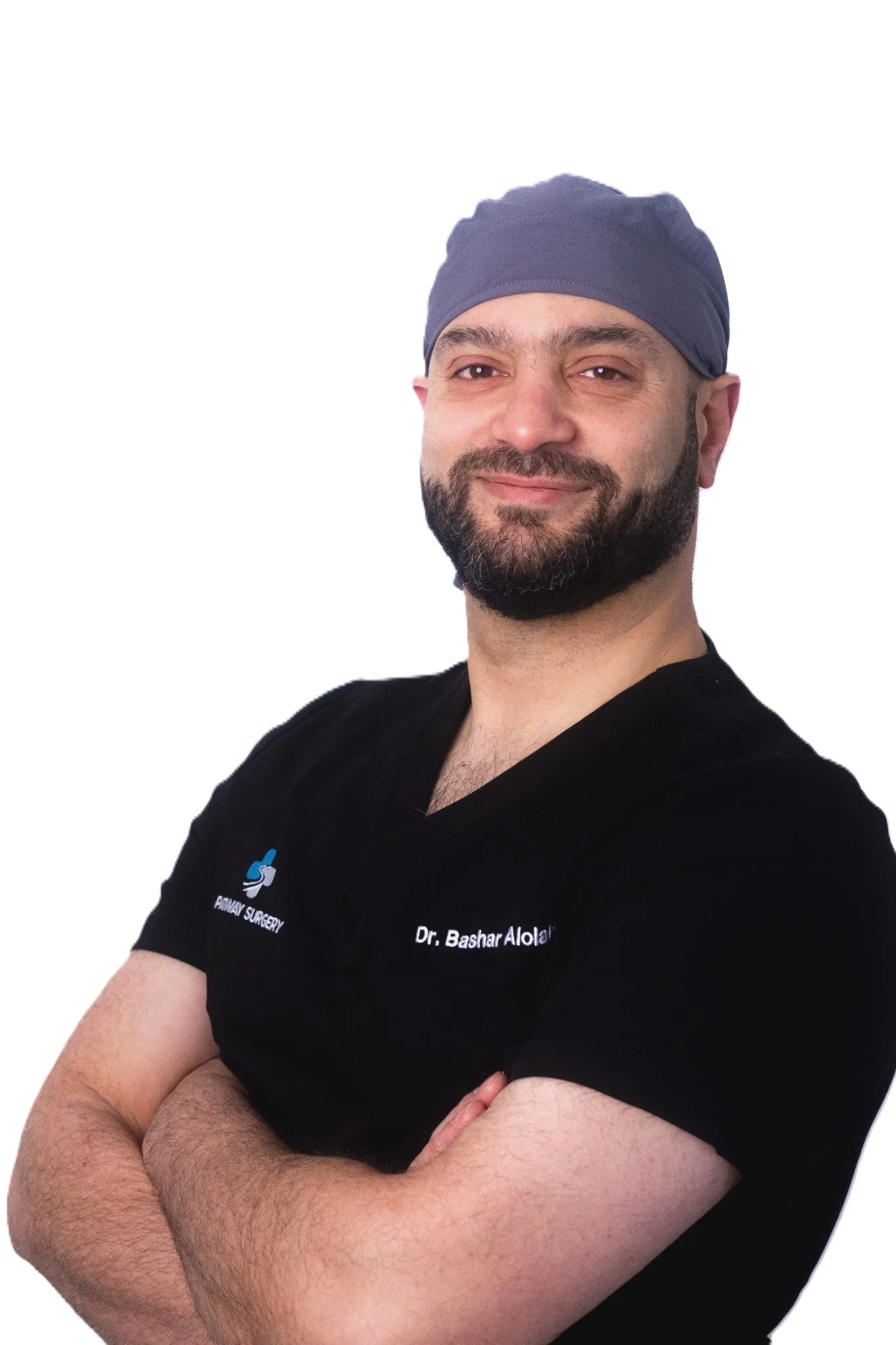
Your Wrist Specialist
Fellowship-trained surgeon with expertise in wrist arthroscopy and TFCC surgery
Arthroscopic treatment for central TFCC tears—trimming damaged tissue to address ulnar-sided wrist pain and support smoother joint movement.
The triangular fibrocartilage complex (TFCC) is a cartilage and ligament structure on the pinky side of the wrist. When tears occur in the central portion of the TFCC—where blood supply is limited—the tissue cannot heal on its own.
TFCC debridement is an arthroscopic procedure that trims the damaged, unstable tissue down to a smooth, stable edge. The goal is to remove the torn flaps that catch and cause pain, allowing the wrist to move more freely.
Best for central tears where blood supply is poor and healing is unlikely. The damaged tissue is trimmed to create a smooth edge.
Best for peripheral tears where good blood supply allows healing. The torn tissue is sutured back to its attachment.
Your surgeon will determine the appropriate approach based on MRI findings and direct visualization during arthroscopy.
TFCC debridement typically has a shorter recovery time compared to TFCC repair. Because tissue is removed rather than repaired, there's generally no need for prolonged immobilization.
Days 1-3
Soft dressing, elevation, gentle finger movements
Weeks 1-2
Begin gentle wrist range of motion exercises
Weeks 2-4
Progressive strengthening, return to light activities
4-6 Weeks
Return to most normal activities and sports
Fellowship-trained surgeon with expertise in wrist arthroscopy and TFCC surgery
The central portion of the TFCC that is debrided has minimal contribution to wrist stability. Removing the damaged portion does not typically cause instability or long-term problems. The peripheral attachments that provide stability are preserved.
Studies report good to excellent outcomes in many patients with isolated central TFCC tears treated with debridement. Improvement in pain and function is typically observed over 6-8 weeks.
You should not drive on the day of surgery due to anesthesia. Most patients can resume driving within a few days once they feel comfortable gripping the steering wheel and have stopped taking prescription pain medication.
No referral is required. You can book a consultation directly with our team to discuss your wrist symptoms and treatment options.
Schedule a consultation to discuss your wrist symptoms and explore treatment options for your TFCC injury.