Shoulder Replacement Surgery in Canada

Total, reverse, and partial shoulder replacement options using the INHANCE™ Shoulder System from Johnson & Johnson for proven, reliable outcomes.

★★★★★ 5.0 from 192+ Reviews

Real Patient Experiences

★★★★★

"Had a total reverse shoulder replacement surgery done on February 8th 2025. Overall I have been extremely pleased with the speed and professionalism throughout the entire process. I am happy to be on the road to recovery."

— Chris Heckel

Reverse Shoulder Replacement

★★★★★

"I would like to thank Dr. Dessouki for the wonderful experience I recently had for my reverse shoulder replacement. It far exceeded my expectations. Everyone involved were efficient, caring and so helpful."

— Dave McNeill

Reverse Shoulder Replacement

★★★★★

"I was a very complex shoulder case that many surgeons turned away. Dr. Alolabi took my shoulder on with no hesitation, explaining the surgery well. Three days post-op I feel better than I did before surgery. Highly recommend."

— Steven King

Complex Shoulder Surgery

Surgical Options

Types of Shoulder Replacement

The right procedure depends on your specific condition, rotator cuff health, and functional goals

Total Shoulder Replacement

Anatomic Arthroplasty

This procedure replaces both the ball (humeral head) and socket (glenoid) of the shoulder joint. It is typically used for patients with shoulder arthritis who have a healthy, functioning rotator cuff.

  • Restores natural shoulder movement
  • Ideal for osteoarthritis with intact rotator cuff
  • Excellent pain relief and function

Reverse Shoulder Replacement

Rotator Cuff Deficient Solution

In a reverse shoulder replacement, the normal ball-and-socket anatomy is reversed. This design allows the shoulder to function even when the rotator cuff is severely damaged or absent.

  • Deltoid muscle powers arm movement
  • For rotator cuff tear arthropathy
  • Revision surgery & complex fractures

Most commonly performed shoulder replacement.

Partial Shoulder Replacement

Hemiarthroplasty

This procedure replaces only the ball of the shoulder joint while leaving the socket intact. It may be used in selected cases, such as certain shoulder fractures or when the socket cartilage is relatively healthy.

  • Preserves natural socket anatomy
  • Less bone removal required
  • Often used for proximal humerus fractures
Implant Technology

INHANCE™ Shoulder System

Advanced shoulder replacement technology from Johnson & Johnson

INHANCE Shoulder System by Johnson & Johnson

INHANCE™ System

The INHANCE Shoulder System provides a comprehensive platform for anatomic and reverse total shoulder arthroplasty, designed with advanced instrumentation for surgical precision.

Our surgeons use the INHANCE Shoulder System from Johnson & Johnson—a modern implant platform designed to restore shoulder function with proven reliability.

  • Anatomic and Reverse options—versatile platform for different patient needs
  • Precision instrumentation—designed for accurate implant positioning
  • Multiple size options—tailored fit for individual anatomy
  • Proven materials—designed for long-term durability

Technology by Johnson & Johnson MedTech
Is This Right for You?

Who Is a Candidate for Shoulder Replacement?

Shoulder replacement may be recommended when conservative treatments—such as medications, injections, and physical therapy—no longer provide adequate relief. Common conditions treated with shoulder replacement include:

Osteoarthritis

Progressive wear-and-tear arthritis causing pain and stiffness

Rotator Cuff Tear Arthropathy

Arthritis combined with a massive, irreparable rotator cuff tear

Complex Shoulder Fractures

Severe fractures that cannot be reconstructed with internal fixation

Failed Previous Shoulder Surgery

Revision cases where prior surgery requires conversion to replacement

What to Expect

  1. 1

    Consultation

    Review of imaging, physical exam, and discussion of treatment options

  2. 2

    Pre-operative Planning

    CT scan for detailed bone anatomy; implant selection

  3. 3

    Surgery

    Typically 1-2 hours; outpatient or one-night stay

  4. 4

    Recovery & Rehabilitation

    Sling for 4-6 weeks; structured physical therapy program

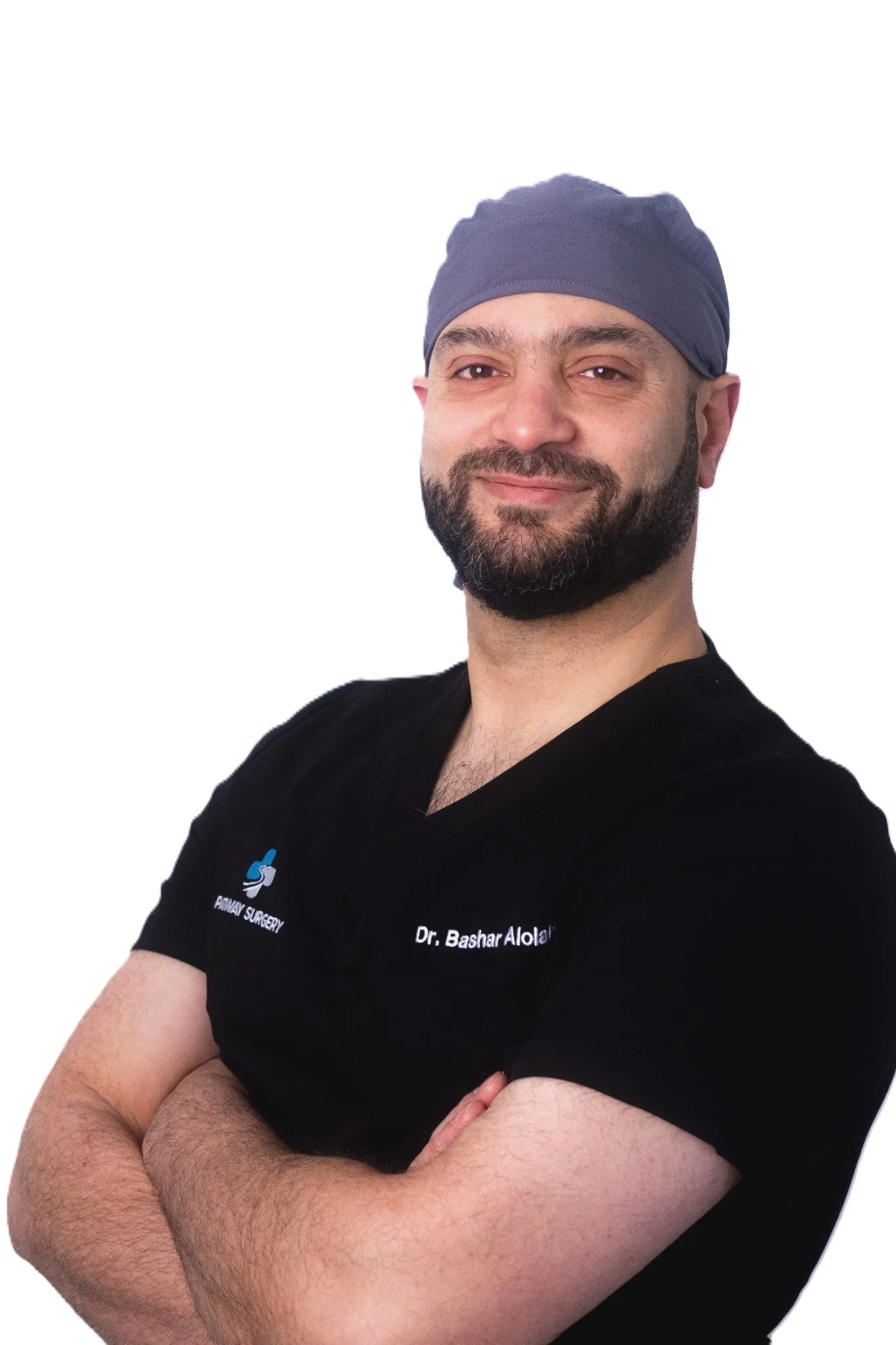
Your Shoulder Replacement Specialist

Fellowship-trained surgeon with expertise in complex shoulder reconstruction

Your Recovery Journey

What to expect after shoulder replacement surgery

Weeks 0-6

1

Protection

Sling wear, passive motion begins

Weeks 6-12

2

Active Motion

Sling off, active exercises

Months 3-4

3

Strengthening

Progressive resistance training

Months 4-6+

4

Full Activity

Return to most activities

4–6 weeks

Sling Off

Begin active motion

3 months

Driving Resumes

With surgeon clearance

4–6 months

Significant Improvement

Continued gains up to 12 months

Frequently Asked Questions

Total shoulder replacement replaces both the ball and socket with components that mirror normal anatomy—this works well when the rotator cuff is healthy. Reverse shoulder replacement switches the position of the ball and socket, allowing the deltoid muscle to power arm movement. This is ideal for patients with rotator cuff damage, complex fractures, or revision surgery.

Modern shoulder implants are designed for longevity. Studies show that 90% or more of shoulder replacements are still functioning well at 10-15 years. Factors like activity level, bone quality, and implant type can influence long-term durability. Avoiding high-impact activities helps preserve the implant.

You'll wear a sling for 4-6 weeks and begin physical therapy early. Most patients see significant improvement in pain and function by 3 months, with continued gains up to 12 months. Driving typically resumes around 6-8 weeks (automatic transmission) with surgeon clearance.

Most patients achieve excellent pain relief and functional range of motion. Total shoulder replacement typically provides the most natural motion. Reverse shoulder replacement may have some motion limitations (especially rotation) but excels at restoring overhead reaching ability when the rotator cuff is damaged.

No referral is required. You can book a consultation directly with Pathway. Having recent X-rays or MRI is helpful but not mandatory—we can arrange imaging if needed.

Ready to Restore Your Shoulder?

Schedule a consultation to discuss your shoulder condition and replacement options with our specialist.