Arthroscopic rotator cuff repair surgery using HEALICOIL knotless anchor technology for secure, low-profile tendon-to-bone fixation.
"I had rotator cuff surgery by Dr Abouali and his team on Oct 24. Since the surgery I’ve had very little pain and started physio a week ago. My physiotherapist is very impressed in how well I’m progressing and my range of motion."
— Sandy Doucette
Rotator Cuff Repair
"I would like to thank everyone at the Pathway Surgery for the amazing care that was extend to my during my Rotator Cuff Repair. Dr. Abouali, my nurse, and the entire team were all great. I could not have asked for better care."
— Henry Abrams
Rotator Cuff Repair
"I turned to Pathway as I was a very complex shoulder case. Dr. Alolabi took my shoulder on with no hesitation, explaining the surgery and risks well. Three days post-op I feel better than I did before surgery. I highly recommend Pathway's team."
— Steven King
Complex Rotator Cuff Repair
The rotator cuff is a group of four tendons that surround the shoulder joint, providing stability and enabling arm movement. These tendons can tear from injury, repetitive overhead motions, or gradual wear over time—causing pain, weakness, and difficulty with everyday activities.
Rotator cuff repair is an arthroscopic procedure that reattaches the torn tendon to the bone using suture anchors. The surgery is performed through small incisions using a camera and specialized instruments, allowing your surgeon to repair the tear with precision.
The goal of surgery is to restore the tendon's attachment to bone, relieve pain, and return strength to the shoulder. Success depends on tear size, tissue quality, and commitment to post-operative rehabilitation.
Advanced fixation technology for secure, low-profile repairs
Our surgeons use HEALICOIL knotless anchors from Smith+Nephew—a suture anchor system designed to provide strong fixation while minimizing tissue irritation.
Technology by Smith+Nephew
The HEALICOIL system provides secure tendon-to-bone fixation without the bulk of traditional suture knots, creating a smoother repair surface.
For select patients, your surgeon may use the REGENETEN Bioinductive Implant—a collagen scaffold that promotes new tendon-like tissue growth to enhance healing.
As standalone treatment—accelerated recovery and consistent tendon healing
As repair augment—demonstrated reduction in re-tear rates
*Your surgeon will determine if you are a good candidate for REGENETEN based on your tear type and tissue quality.
Technology by Smith+Nephew
A decade of clinical experience has demonstrated meaningful improvements in outcomes. The REGENETEN implant creates an environment conducive to natural tendon healing.
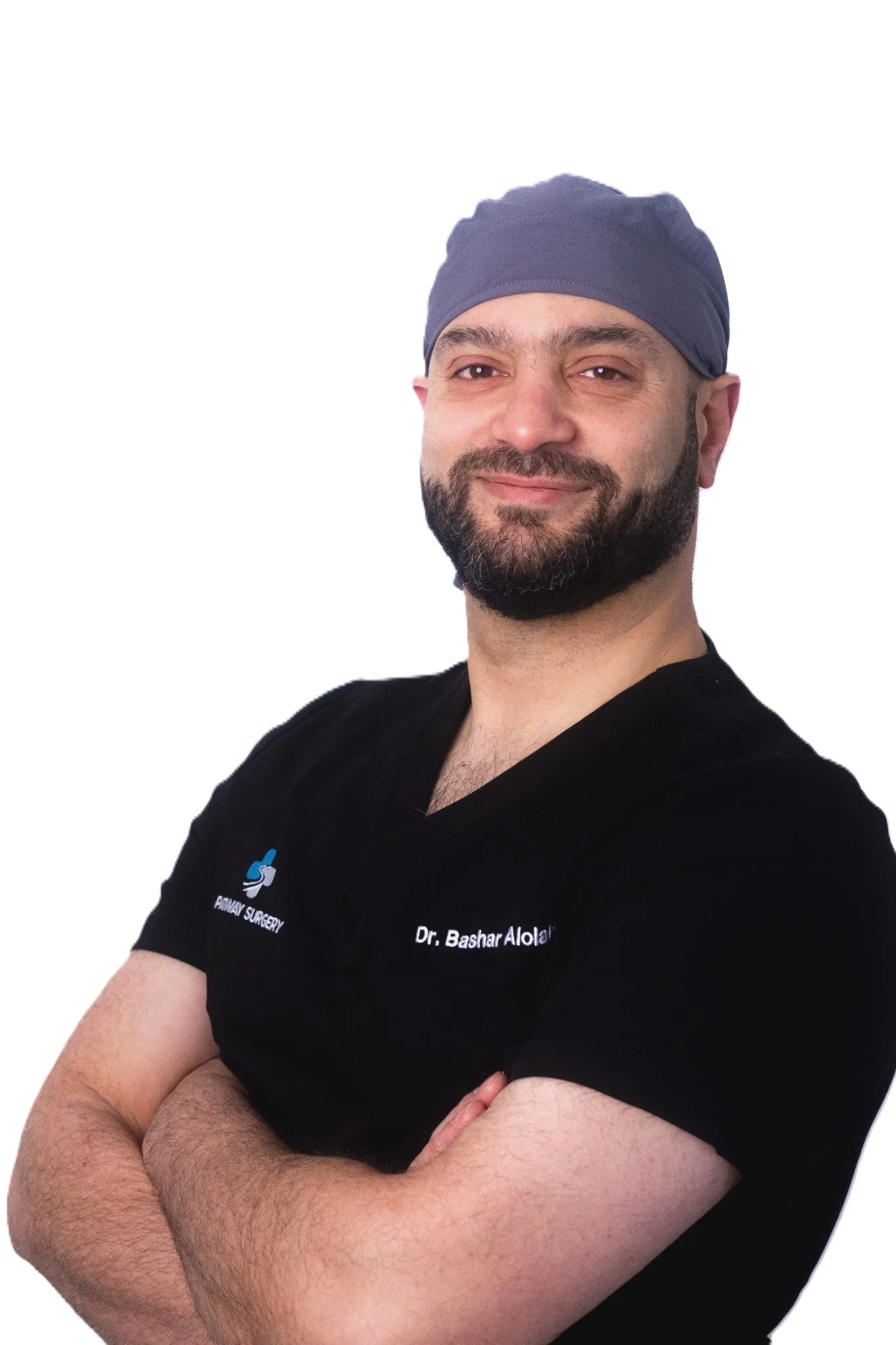
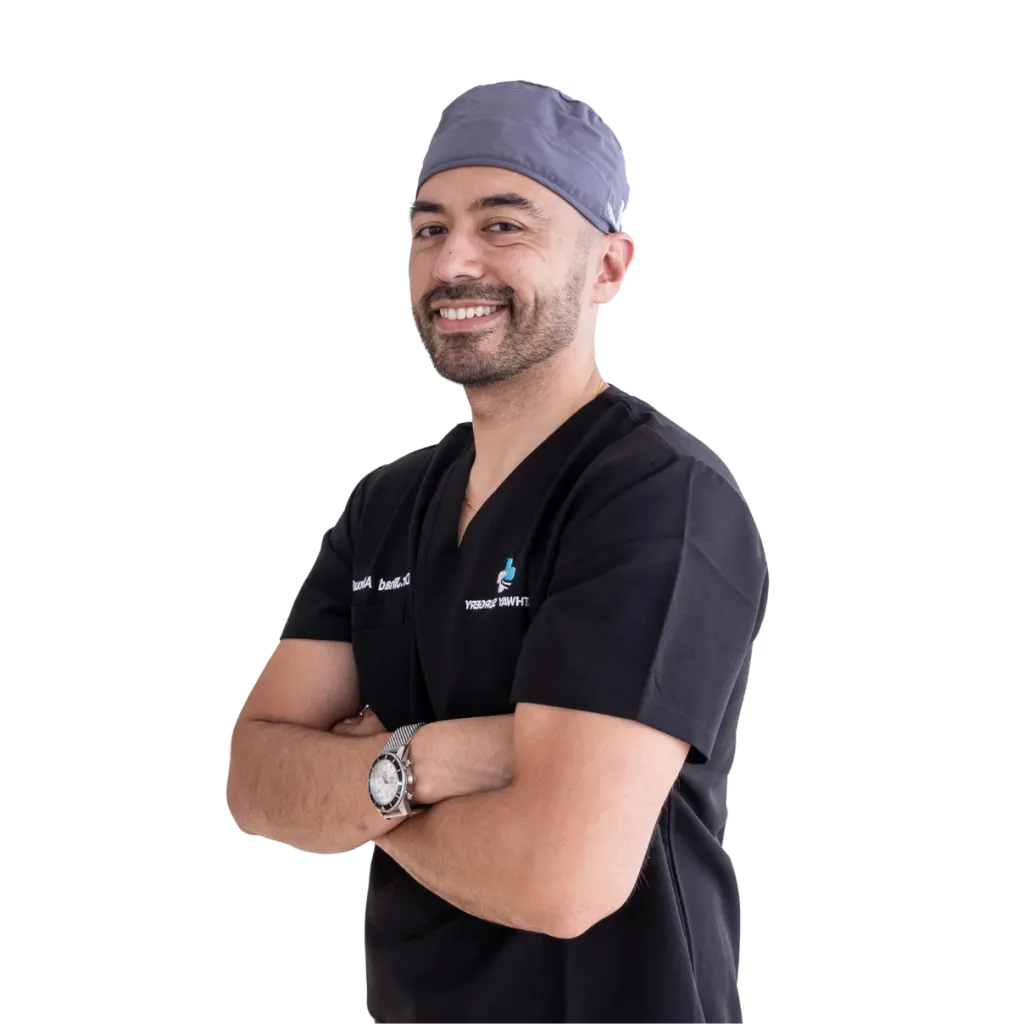
Fellowship-trained shoulder surgeons with expertise in complex repairs
Shoulder & Elbow Specialist
Cleveland Clinic FellowshipExpert in complex rotator cuff repairs and shoulder reconstruction.
View Profile
Knee & Shoulder Sports Medicine
High-Volume Shoulder SurgeonExpert in rotator cuff repair and shoulder arthroscopy.
View ProfileWhat to expect after rotator cuff repair
Weeks 0-6
Sling, limited motion, tissue healing
Weeks 6-12
Active motion, no resistance
Months 3-4
Progressive resistance exercises
Months 4-6+
Full function, sport-specific training
Sling Off
Begin active motion
Driving Resumes
With surgeon clearance
Full Activities
Depending on tear size and healing
Recovery Takes Time
The repaired tendon needs time to heal and integrate with bone. Following your surgeon's protocol carefully is essential for the best long-term outcome.
For large, chronic tears where the tendon cannot be repaired, reverse shoulder replacement may restore function by allowing the deltoid muscle to power arm movement. Your surgeon will discuss all options based on your specific situation.
Learn about Shoulder ReplacementSurgery may be recommended if you have a complete tear, if symptoms haven't improved with conservative treatment (physical therapy, injections), or if you need full shoulder function for work or sports. Your surgeon will review your MRI and discuss whether surgery is likely to help.
You'll wear a sling for 4-6 weeks. Physical therapy starts early with passive motion (the therapist moves your arm). Most patients see significant improvement by 3-4 months and return to full activities at 4-6 months, though large tears may take longer to fully heal.
The first few days after surgery can be uncomfortable, but pain is well-managed with medications. Many patients receive a nerve block that provides relief for the first 12-24 hours. Arthroscopic surgery is generally less painful than open surgery.
Re-tear is possible, especially with large tears or poor tissue quality. Following your surgeon's rehabilitation protocol, avoiding heavy lifting during healing, and addressing risk factors (smoking, diabetes) can help optimize healing success.
No referral is required. You can book a consultation directly. Having a recent MRI is helpful but not mandatory—we can arrange imaging if needed.
Schedule a consultation to discuss your rotator cuff tear and treatment options with our specialists.