Total knee arthroplasty using ROSA® and VELYS™ robotic systems with premium implants including Persona and Attune, performed through a muscle-sparing subvastus approach.
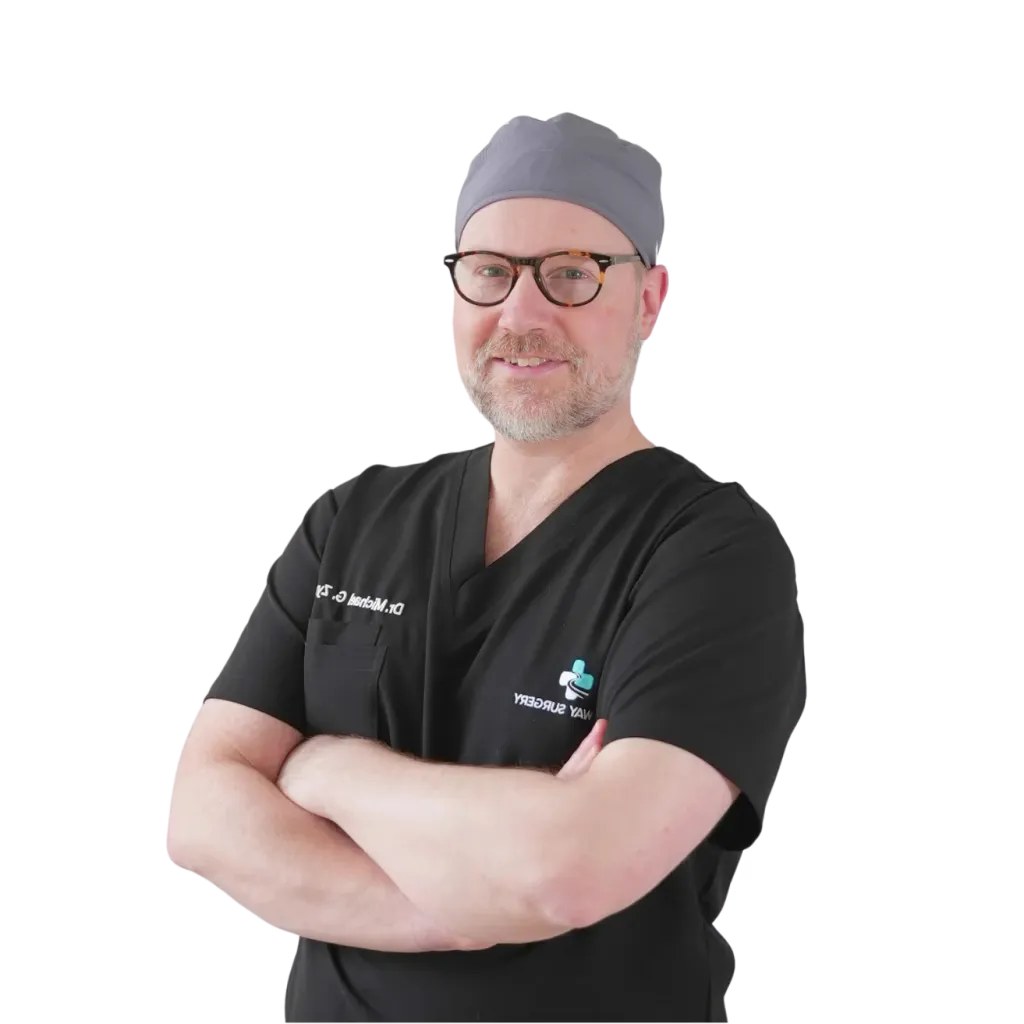
"Just hours after bilateral knee replacement surgery, I stood up and walked PAIN FREE! Yes on two new knees! The difference is unbelievable! I could not be more pleased. Dr. Zywiel was the surgeon I felt most comfortable with."
— Glynis Hunt
Bilateral Knee Replacement
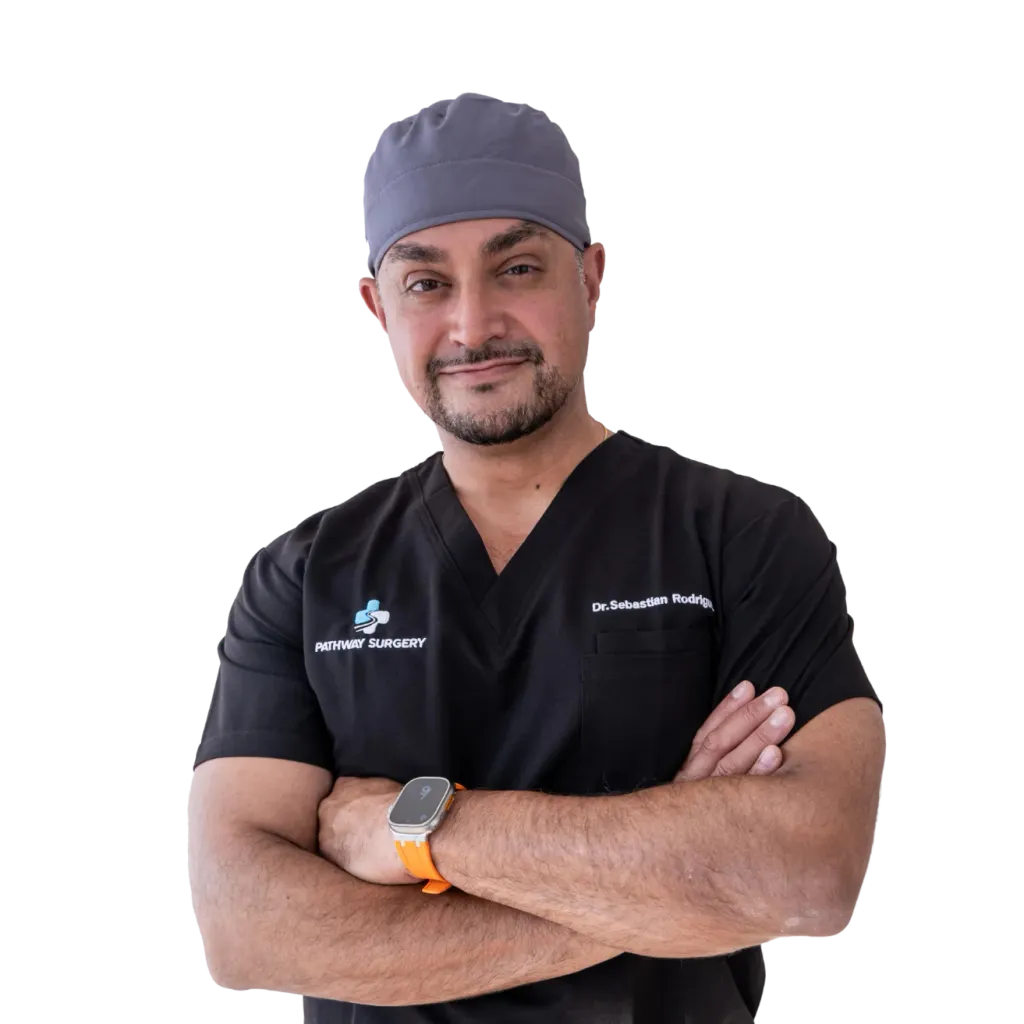
"Total Knee Replacement - Dr. Rodriguez-Elizalde. The entire service from initial contact to follow up after surgery was professional and caring. I definitely made the right choice with Pathway Surgery. The staff at Westmount Surgical Clinic were amazing."
— Lynn Pavlik
Total Knee Replacement
"I came from Toronto to have a knee replacement. Once I entered the clinic all the staff treated me like a friend. The star of the show was Dr Rodriguez and his complete team. It has only been two days and the pain is very manageable. Dr Rodriguez personally called me today to see how I was making out."
— Jack Leggo
Total Knee Replacement
Total knee replacement—also called knee arthroplasty—is a surgical procedure that resurfaces the damaged portions of your knee joint with metal and polyethylene components. It's typically recommended when severe arthritis causes significant pain and limits daily activities despite conservative treatment.
Modern knee replacement has evolved significantly. Robotic-assisted surgery allows your surgeon to optimize implant positioning based on your unique anatomy, potentially improving how natural your knee feels after surgery.
The goal of knee replacement is to relieve pain, restore function, and improve quality of life. With modern implants and proper care, knee replacements typically last 20 years or more.
Our surgeons utilize industry-leading robotic systems to enhance surgical precision
The ROSA system collects detailed information about your knee anatomy and alignment using intraoperative data. This allows the surgeon to assess limb alignment, joint balance, and range of motion in real time.
The VELYS system gathers data during surgery to evaluate knee alignment, joint stability, and movement throughout the range of motion, allowing dynamic real-time adjustments.
The robotic system does not perform surgery independently—it assists the surgeon by enhancing precision and consistency.
We use implants from leading manufacturers designed for longevity and natural movement
Zimmer Biomet
Designed to more closely reproduce the original. Advanced research on hundreds of knees confirmed that implant shape and fit really matter—Persona was designed with this in mind.
Johnson & Johnson / DePuy Synthes
Designed for stability in motion. The ATTUNE system focuses on maintaining consistent ligament tension throughout the full range of knee movement.
Our knee replacement surgeons use the subvastus approach, often called a "quadriceps-sparing" technique. This approach has gained popularity for its potential to promote earlier mobility and less discomfort following surgery.
Preserves the Quadriceps Tendon
Reduces trauma to the extensor mechanism
Earlier Straight-Leg Raise
May be possible sooner after surgery
Quicker Quadriceps Activation
Muscle function may return faster
Some studies show early advantages mainly in the first 2–6 weeks after surgery, including slightly less early postoperative pain.
Intraoperative Data Collection
The robotic system collects detailed information about your knee anatomy and alignment
Personalized Planning
Surgeon plans implant positioning tailored to your individual anatomy
Guided Bone Preparation
Surgeon performs cuts with real-time robotic feedback for accuracy
Final Balancing
Implant placement and soft-tissue balancing performed by surgeon with robotic verification
Fellowship-trained surgeons with expertise in robotic-assisted knee replacement
Robotic assistance provides enhanced precision in implant positioning and real-time feedback during surgery. While long-term outcomes are still being studied, early data suggests potential benefits in alignment accuracy and soft-tissue balancing. Your surgeon can discuss whether robotic assistance is appropriate for your specific case.
Most patients walk with a walker or cane within 1-2 days of surgery. Full recovery typically takes 3-6 months, with significant improvements in the first 6 weeks. The subvastus approach used by our surgeons may promote earlier mobility in the initial weeks.
No. The robotic system does not perform surgery independently. Your surgeon remains in full control of all decision-making, implant selection, and the actual surgical work. The robot provides real-time data, feedback, and verification to help ensure accuracy relative to the surgical plan.
No referral is required. You can book a consultation directly with our surgical team to discuss your knee replacement options. We recommend bringing any recent knee X-rays to your appointment.
While every patient is unique, the surgical time for a robotic-assisted knee replacement is typically 60 to 90 minutes. This does not include the time required for anesthesia preparation and postoperative recovery in the hospital.
Yes, the primary goal of the procedure is to return you to an active lifestyle. Most patients return to low-impact sports like walking, swimming, cycling, and golf. We generally advise against high-impact activities like running or jumping to prevent premature wear of the new joint components.
Schedule a consultation to discuss your knee replacement options with one of our specialists.